
Mental vs. Physical Fatigue After a TBI: Why “Doing Nothing” Can Still Be Exhausting
If you’ve experienced a traumatic brain injury (TBI), chances are you’ve said—or at least thought—something like:
“I didn’t even do anything, and I’m exhausted.”
You’re not alone. Fatigue is one of the most common and misunderstood symptoms after a TBI. Loved ones often assume that tiredness only comes from physical exertion—but after a brain injury, the real exhaustion usually comes from mental effort.
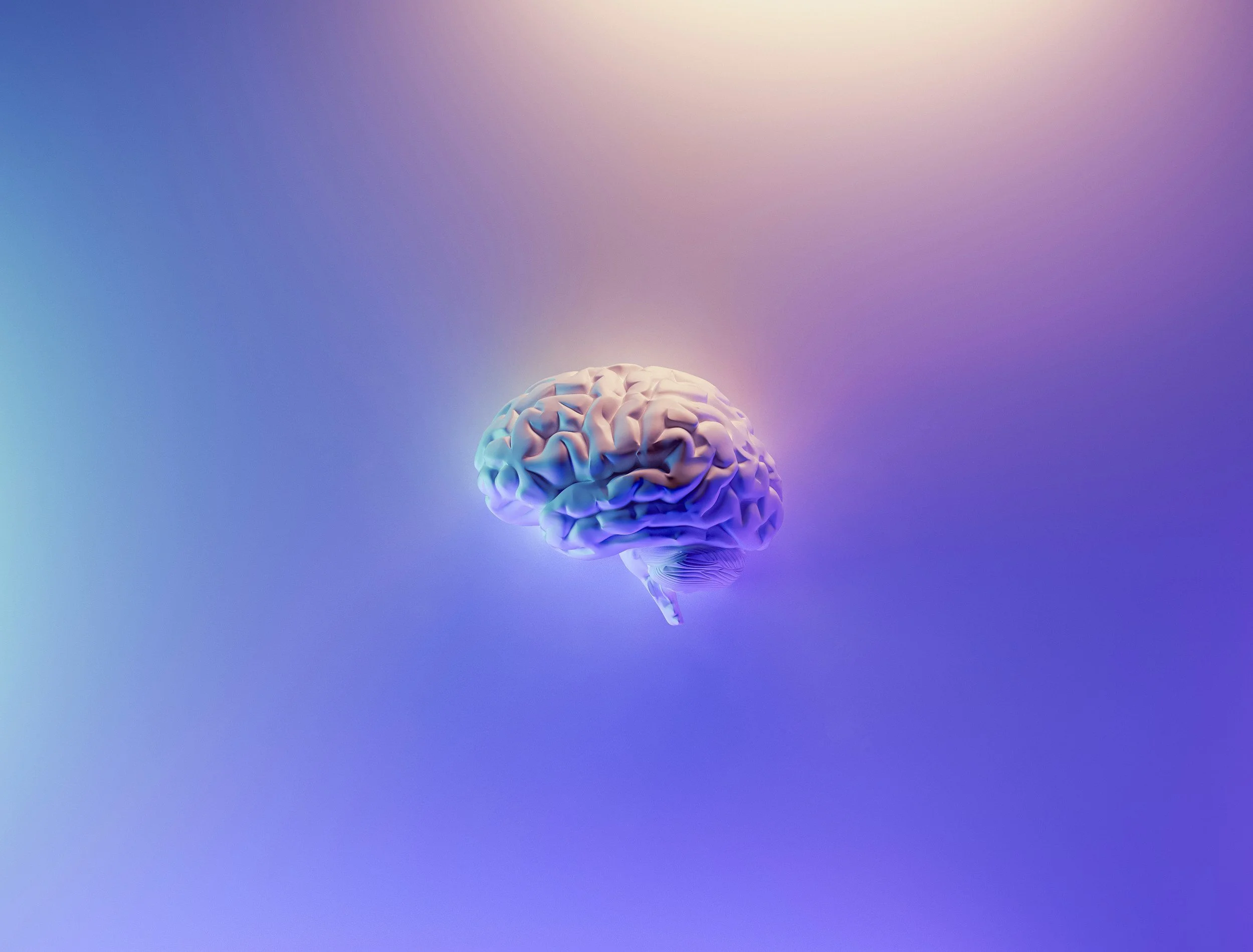
The Hidden Work of the Healing Brain
For neurotypical individuals, focusing, planning, or holding a conversation might feel effortless. But for someone recovering from a TBI, even basic thinking tasks can demand an enormous amount of brain power.
When part of the brain is injured, other regions have to “pick up the slack.” This rerouting requires extra energy—like running your laptop on low battery with too many tabs open.
According to the Brain Injury Association of America, post-TBI fatigue is both physical and cognitive, but mental fatigue is often more debilitating because the brain is working overtime to compensate for damaged neural pathways. Studies have shown that people with TBIs expend more glucose (energy) during cognitive tasks than those without injuries. [BIAA, 2023]

When the Brain Hits Its Limit
Mental fatigue after a TBI can cause:
Difficulty concentrating or remembering information
Slower thinking or speech
Increased irritability or emotional overwhelm
Sensitivity to light or noise
Sudden “shutdowns” or the need to sleep after minimal activity
This isn’t laziness or avoidance—it’s the brain literally running out of usable energy.
So when someone with a TBI says they’re tired after a conversation or a short outing, they’re not exaggerating. Their brain is working harder than you can see.
Normalize “Mental Breaks”
Family and friends play a critical role in supporting recovery. Encouraging mental rest isn’t about coddling—it’s about recognizing the unique needs of a healing brain.
Here are a few ways to help:
🕓 Build in rest periods during family gatherings or outings.
💬 Avoid guilt trips like “but we just got here!” or “you’ve been resting all day.”
🛋️ Create quiet spaces where your loved one can step away for 10–15 minutes.
❤️ Celebrate participation, even in small doses. Showing up, even briefly, is progress.
Normalizing breaks helps prevent isolation and makes it easier for your loved one to stay involved in family and social life—without pushing past their limits.
Reframing Fatigue as a Recovery Tool
Taking breaks isn’t giving up—it’s a key part of recovery. Just as muscles need rest to grow stronger, the brain needs downtime to rebuild neural connections.
At Head & Heart Family Therapy, we help individuals and families across Claremont, Upland, Rancho Cucamonga, Pasadena, and Pomona understand the invisible challenges of TBI recovery and develop coping tools that support both healing and connection.
It’s okay to rest. It’s okay to step away.
Your brain is doing hard work—even when your body isn’t moving.
🧭 If You’re Supporting a Loved One After a TBI…
Consider reaching out to Head & Heart Family Therapy for counseling or family support. Together, we can help you rebuild communication, manage expectations, and find balance between independence and rest.
